

Parenting Guide 2026: Raising Confident and Happy Kids
Parenting in 2026 feels more complex than ever, with technology, shifting cultural norms, and constant information overload shaping daily life. Many parents wonder how to raise kids who are confident and happy, while balancing their own well-being.
This guide will share science-based strategies to help you nurture your child’s self-esteem, resilience, and emotional intelligence. You’ll discover why positive parenting matters, how to set healthy boundaries, and practical tips for supporting independence.
Ready to transform your parenting journey with proven techniques? Dive in to explore how small daily changes can create a supportive, empowered environment for your family.
The Foundations of Positive Parenting in 2026
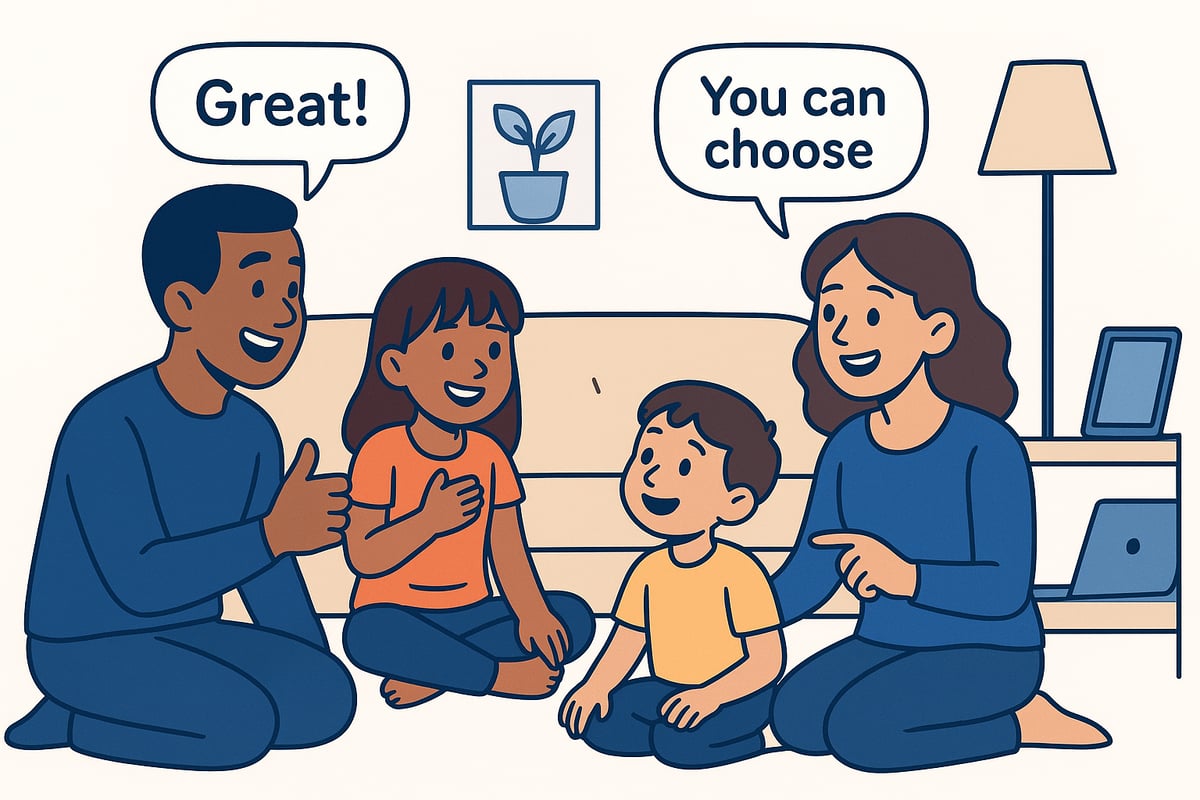
Parenting in 2026 is more complex and rewarding than ever. Modern families face rapidly shifting societal norms, the pervasive influence of technology, and a growing awareness of emotional well-being. Understanding the foundations of positive parenting is crucial for navigating these changes and raising confident, resilient children.
Understanding the Modern Parenting Landscape
The landscape of parenting has shifted dramatically in recent years. Parents today juggle evolving roles, work-life balance, and societal expectations that demand both nurturing and structure. In 2026, the globalized world adds new layers, with children exposed to diverse cultures, ideas, and digital experiences from a young age.
Research shows that positive parenting leads to better academic, emotional, and social outcomes for children. According to UC Davis, children raised in nurturing, supportive environments perform better in school and have fewer behavioral issues. The Four C’s of effective parenting—care, consistency, choices, and consequences—offer a simple framework for building trust and security at home.
Technology and social media present unique challenges, influencing how children learn, interact, and develop self-awareness. Parents must adapt their parenting strategies to fit different family structures, cultural backgrounds, and the realities of a connected world. This adaptability is key to ensuring every child feels valued and understood.
Why Positive Parenting Matters
At its core, positive parenting is about warmth, guidance, and encouragement. Children thrive when they hear messages like, “You are loved, you matter,” and experience genuine support from their caregivers. Neuroscience research from UC Davis highlights that positive parenting practices actively support healthy brain development, especially during the teen years.
Practical techniques such as praise, reflection, imitation, description, and enjoyment—known as PRIDE skills—help parents reinforce positive behaviors and deepen connection. For detailed guidance on using these techniques, visit the PRIDE skills in positive parenting resource from UC Davis.
The long-term benefits of positive parenting are profound. Children raised in supportive environments develop stronger relationships, better mental health, and greater well-being into adulthood, as shown by Harvard studies. It is important to distinguish positive parenting from permissiveness. While positive parenting encourages independence and confidence, it also involves setting clear boundaries and providing consistent guidance, not simply letting children do as they please.
Building Self-Esteem and Confidence in Children
Children thrive when their parenting environment supports self-worth and growth. In today's world, building confidence requires thoughtful strategies that go beyond simple praise. The right approach to parenting can help kids internalize strengths and develop resilience that lasts a lifetime.

The Role of Praise and Encouragement
Effective parenting means using praise in ways that truly build self-esteem. Instead of generic compliments, specific and labeled praise helps children connect positive feedback to their actions. For example, saying "Good job waiting patiently while I was on the phone" clearly highlights the effort and behavior you want to encourage. This approach, backed by UC Davis research, helps reinforce positive habits.
Focusing on effort rather than just achievement is key for nurturing a growth mindset. When you celebrate the process—like persistence, problem-solving, or even small steps forward—kids learn that improvement matters more than perfection. Physical expressions, such as a smile or a high-five, add extra encouragement and make praise feel genuine.
Here's a quick table for effective praise in parenting:
| Praise Type | Example | Impact |
|---|---|---|
| Specific Praise | "I noticed you shared your toys with your friend." | Builds self-awareness |
| Effort-Focused | "You worked hard on that puzzle." | Fosters perseverance |
| Physical Affection | High-fives, hugs, smiles | Reinforces connection |
Research also shows that consistent encouragement is linked to higher self-esteem and perseverance. In fact, school-based social-emotional learning boosts self-esteem and confidence, especially for children facing greater challenges. Just be mindful to avoid overpraise or insincere feedback, since children quickly sense when praise is not genuine.
Avoiding Harmful Parenting Styles
Not all parenting approaches support confidence. Overparenting, sometimes called "helicopter" or "snowplow" parenting, can limit a child's independence and hurt self-esteem. These styles often involve stepping in too quickly to solve problems or prevent mistakes, which prevents kids from learning vital skills.
On the other side, too little engagement or overly strict, authoritarian parenting can make children feel unsupported or fearful. The best approach is to balance guidance with opportunities for autonomy.
Try these actionable tips for balanced parenting:
- Allow children to make age-appropriate choices.
- Let them experience manageable failures and learn from the outcomes.
- Offer support, but encourage problem-solving rather than providing all the answers.
Imagine a child forgetting their homework. Instead of rushing it to school, let them face the natural consequence. This experience teaches responsibility and resilience, both of which are essential for confidence.
With mindful parenting, children gain the self-esteem needed to handle life's challenges and grow into capable, happy individuals.
Fostering Emotional Intelligence and Resilience
Helping children build emotional intelligence and resilience is at the heart of successful parenting in 2026. When kids learn to understand and manage their feelings, they are better prepared to handle challenges, foster healthy relationships, and thrive in a changing world.

Teaching Emotional Awareness and Regulation
A core goal of modern parenting is to help children recognize and express their emotions with confidence. Start by modeling emotional vocabulary during everyday conversations. For example, say, "I notice you look frustrated. Do you want to talk about it?" This invites children to name and share their feelings.
Using PRIDE skills—praise, reflection, imitation, description, and enjoyment—can strengthen your child's emotional awareness. Reflecting back what your child says, such as, "You felt sad when your friend left," helps them feel heard and understood.
Back-and-forth conversations about feelings, validating your child's emotions, and offering gentle correction all support healthy emotional growth. Neuroscience research from UC Davis shows that these interactions actually strengthen language and emotional centers in the brain, laying the groundwork for lifelong mental health.
For extra support, consider using Social Emotional Learning Tools designed to nurture emotional intelligence and resilience in children. These resources can make emotional learning part of your daily parenting routine.
Building Resilience Through Everyday Challenges
Resilience is the ability to bounce back from setbacks and adapt to new situations. In parenting, it means guiding children to face difficulties with courage and learn from mistakes, rather than shielding them from every challenge.
Let your child experience manageable failures, like forgetting homework or losing a game. Praise their calmness and problem-solving efforts, even when things don't go as planned. For example, "I noticed you kept trying even when the puzzle was tricky. That shows persistence!"
Modeling healthy ways to handle stress—such as taking deep breaths or talking about your own feelings—teaches children positive coping skills. When parents demonstrate resilience, kids are more likely to develop the confidence to navigate life's ups and downs.
Research links resilience to stronger mental health and greater happiness later in life. By weaving these practices into your parenting, you help your child build a toolkit for emotional wellbeing that lasts far beyond childhood.
Balancing Boundaries, Independence, and Safety
Modern parenting is a constant dance between protecting children and giving them space to grow. Parents today face the challenge of creating a safe environment while encouraging independence. Finding this balance is essential for fostering resilience, confidence, and healthy development in every child.

Setting Healthy Limits and Expectations
Clear and consistent boundaries are the foundation of effective parenting. In 2026, families are more diverse than ever, yet children of all backgrounds benefit from knowing what is expected of them. Boundaries help kids feel secure, reduce anxiety, and lay the groundwork for self-discipline.
The Four C’s—care, consistency, choices, and consequences—serve as a practical framework for setting limits. Care shows children they are valued. Consistency means sticking to routines and rules. Choices allow kids to have a say in everyday matters. Consequences teach responsibility for actions.
| The Four C’s of Parenting | Description |
|---|---|
| Care | Show warmth and attention |
| Consistency | Apply rules predictably |
| Choices | Offer safe options |
| Consequences | Provide logical outcomes |
Examples of healthy boundaries include setting regular bedtimes, establishing screen time limits, and assigning age-appropriate chores. For instance, a morning routine chart or a rule about putting away toys after playtime sets clear expectations.
Empathy is key when enforcing rules. Rather than simply saying "no," explain the reasoning behind a boundary and listen to your child’s feelings. This approach builds trust and respect, making boundaries more effective. Recent research highlights that positive parenting reduces child maltreatment, showing that warmth and structure together create safer homes.
Encouraging Autonomy and Decision-Making
Balancing structure with independence is a hallmark of modern parenting. Giving children opportunities to make choices helps them develop confidence and critical thinking skills. Start with small, age-appropriate decisions, like picking their outfit or choosing a snack. These moments foster a sense of ownership.
Encourage problem-solving by inviting your child to brainstorm solutions when challenges arise. If they forget their homework, guide them to think about what they could do differently next time. Allowing kids to face natural consequences—such as missing out on a favorite toy if it isn’t put away—teaches responsibility without harsh punishment.
Research consistently shows that autonomy-supportive parenting leads to better self-regulation and higher self-esteem. When you support your child's independence within safe boundaries, you help them build resilience for future challenges.
Practical tips include:
- Offer two or three safe choices instead of open-ended options.
- Celebrate when your child makes thoughtful decisions.
- Support their interests, even if they differ from your own.
By thoughtfully blending limits with independence, parenting becomes a collaborative journey. Children learn to trust themselves and their parents, paving the way for lifelong confidence and well-being.
Integrating Positive Parenting into Daily Life
Modern parenting is about weaving connection and intention into everyday routines. Amid busy schedules, finding time for playful moments and self-care can feel challenging. Still, these daily habits are at the heart of nurturing confident and happy children.
The Power of Play and Connection
Play is a vital ingredient in effective parenting. Even five minutes of focused, distraction-free playtime each day can make a lasting difference for your child. Letting children take the lead during play builds confidence, encourages creativity, and strengthens your bond.
Try using PRIDE skills: praise, reflection, imitation, description, and enjoyment. For example, describe what your child is doing, reflect their feelings, and show genuine enjoyment. A simple, "I love how you're building that tower so carefully," communicates encouragement and support.
Research shows that play supports social, emotional, and cognitive development. Children learn to solve problems, express emotions, and connect with others through play. In today's fast-paced world, making time for these moments can be tough, but they are essential for positive parenting.
Consider creating a special play area or calm space at home. Explore ideas and tools for this with Creating a Calm Corner at Home, which can make daily parenting routines smoother and more joyful.
Mindful Parenting for the Modern Family
Mindful parenting is about being present, calm, and compassionate—even during busy or stressful times. Practicing deep breathing, short mindfulness exercises, or setting aside a few quiet moments for yourself can help you stay centered.
Self-care is not just a luxury; it is a necessity for resilient parenting. Modeling positive coping skills teaches children how to manage their own emotions. Try a simple routine: take a few deep breaths before responding to challenging behavior, or enjoy a cup of herbal tea together after a long day.
Supporting your own wellbeing allows you to create a nurturing home environment. The Parent Self-Care Solutions collection offers wellness products designed to help parents recharge and model healthy habits. Weighted blankets, calming teas, and mindfulness aids can make a real difference.
By making small, intentional changes, you can integrate positive parenting into your daily life. These moments of connection and self-care build the foundation for a confident, happy family.
Practical Steps for Raising Confident and Happy Kids: A 2026 Action Plan
Empowering children in 2026 takes intention and flexibility. With the right parenting strategies, you can nurture confidence and happiness in your kids every day. Here is a step-by-step action plan grounded in science, practical wisdom, and a supportive approach to modern parenting.
Step 1: Model Confidence and Positivity
Children learn by watching. Show self-assurance in your actions and words. Express optimism when facing challenges. For example, try positive self-talk out loud, like “I’m proud I tried, even if it was hard.” Taking healthy risks, such as learning a new skill together, demonstrates resilience. This kind of parenting encourages kids to grow up with a positive outlook and belief in themselves.
Step 2: Practice Consistent, Loving Discipline
Set clear boundaries and expectations with warmth. Use logical consequences instead of punishment. For example, if a child forgets their homework, help them plan for next time rather than scold. Consistency helps children feel secure. Loving discipline is about guiding, not controlling, which builds trust and respect. Remember, every mistake is a chance for growth.
Step 3: Communicate Openly and Respectfully
Open, honest dialogue is the backbone of strong parenting. Encourage your child to share thoughts and feelings without fear of judgment. Use reflective listening: restate what they say to show understanding. Ask open-ended questions and validate their emotions. This approach helps kids feel valued and understood, fostering emotional intelligence and deepening your parent-child connection.
Step 4: Celebrate Effort, Progress, and Uniqueness
Recognize your child’s individual strengths and interests. Celebrate their efforts, not just the final result. Whether it’s a small improvement in reading or a creative drawing, acknowledge progress. Use both words and physical gestures—smiles, hugs, high-fives. This positive reinforcement supports a growth mindset and encourages kids to embrace their unique qualities with pride.
Step 5: Prioritize Family Connection and Self-Care
Regular family activities, like game nights or shared meals, strengthen bonds. Schedule check-ins to talk about everyone’s day. Self-care for parents is vital, too. Mindfulness, deep breathing, or wellness products from Insight Learning Center Resources can support your own wellbeing. Modeling self-care shows children that healthy routines are a natural part of parenting life.
Step 6: Stay Informed and Adaptable
Great parenting evolves. Stay updated with research and trends to meet your child’s changing needs. Explore reputable sources, such as the Online positive parenting program effectiveness study, for evidence-based strategies. Be ready to adjust your approach as your family grows. Flexibility and lifelong learning ensure your parenting stays effective and relevant.
As you put these science-backed parenting strategies into practice, remember that your own peace and wellbeing are just as important as the tools you use to support your child. Finding calm in your day helps you show up as the confident, caring parent your child needs—whether that means embracing mindful routines, creating restful spaces, or simply taking a breath together. If you're looking for simple ways to bring more calm and balance to your parenting journey, check out resources designed with you in mind. Take the next step toward a happier, more connected family—Find Your Parenting Peace.


